
The Baltic coast is not a place that acts in a consistent manner on a monthly basis. The length of light, sea breeze, life of culture, and even rhythms of everyday change throughout the year. Understanding the best time to visit Baltic Sea depends less on temperature alone and more on atmosphere. This is a month of beach picnics and ferry hopping; other months are those that should be spent in small towns, on beaches of amber, and on reflective walks.
People tend to think about warm beaches, and the best time to visit Baltic Sea can provide four totally opposite identities. The awareness of planning makes any trip a recollection trip during the season.
The Baltic coast climate is not quite harsh but changeable. The summers are not tropical, the winters are not harsh, and the sea seasons out the extreme temperatures in most coastal cities. Due to this fact, the region is hardly unbearable at any season. Rather, every moment brings out various experiences.
In the north, like in Finland, daylight time is too long, whereas in the south, in Poland and Germany, it warms sooner. The outcome is a place that is reached on time better than packed clothes.
The travel season is sneak previewed in May and early June. Parks are open, seaside cafes are arranged outside, and ferry routes are run more regularly. Another aspect of the best time to visit Baltic Sea is that the climate all through this duration ranges from cool mornings to pleasantly moderate afternoons.
The extent of crowds is small, leaving historical ports as simpler to navigate. Tallinn, Riga, and Gdansk are easygoing and natural, and people come out after winter. Visitors who prefer ambience would enjoy flowering gardens and walks in fresh air more than swimming.
It is the best time to visit Baltic Sea, especially for cultural travelers, photographers, and slow travelers who do not enjoy activity.
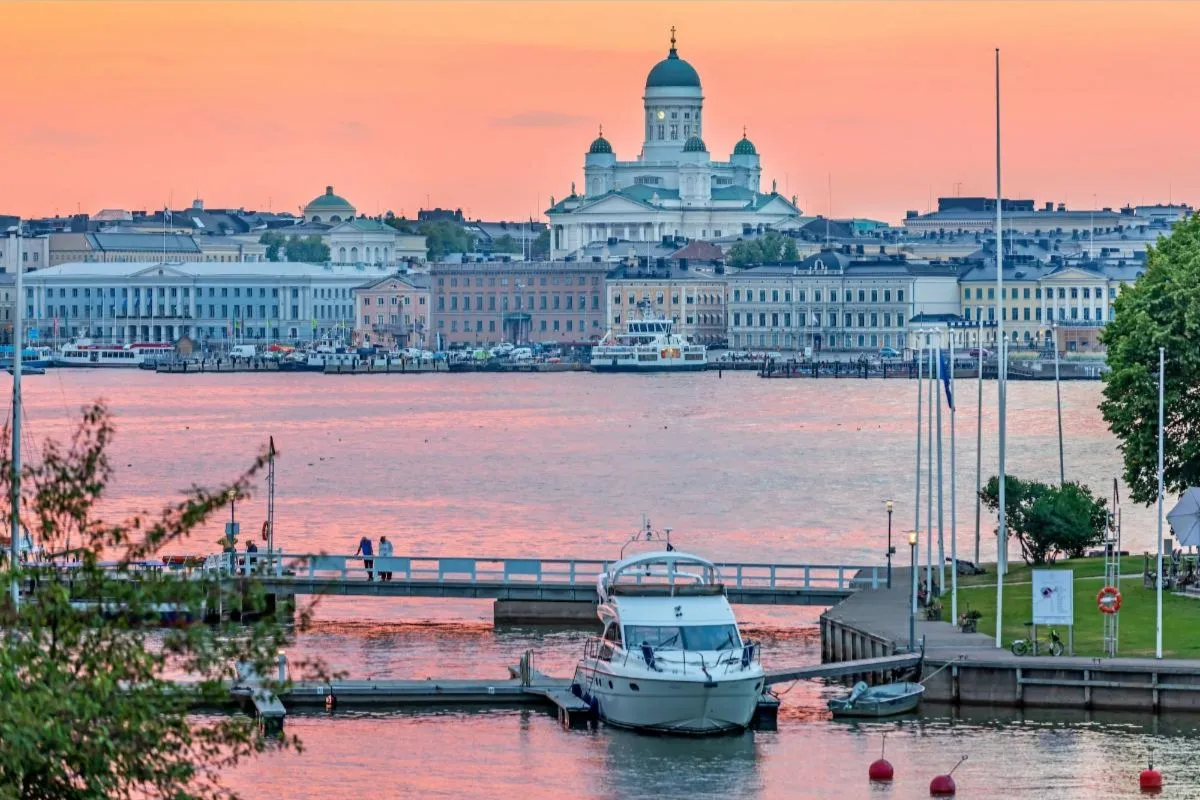
July and August bring peak activity and define the best time to visit the Baltic Sea summer travel. Daylight is long and expansive even in the night, and it looks as if it's far more limitless, in particular within the north, where the sunsets are infinite. Lithuania, Sweden, and Poland's seashores are busy yet infrequently crowded, in contrast to other lodges in the Mediterranean.
Temperatures of water are cool, yet pleasant enough to swim. Sea, market, and harbor festivals are outdoor concerts, which make the environment festive.
For tourists searching for social energy and complete right of entry to attractions, this is without a doubt the best time to visit Baltic Sea.
September introduces a softer mood known as the best time to visit Baltic Sea autumn travel charm. Tourist masses wear out, but still the services are available. Forests become yellow, the sea is more dark and quiet, and evenings are now pleasant, not hectic.
Cities lose their pace, restaurants become more personal, and prices start falling. There are no pampered walks along deserted beaches, but rather happenings. The weather is pleasant for sightseeing in light clothes.
Couples and thoughtful travelers are the groups of people that are especially suited to this season. Rather than commuting between the attractions, the experience is a matter of mood and speed.
For many travelers who prefer tranquility, this becomes another strong option for the best time to visit Baltic Sea.
The place is altered entirely by winter. Snow falls occasionally, covering the northern cities; Christmas markets are taking place in the old squares, and the sea air is sharp and clear. Crossings to the ferry are picturesque instead of leisurely.
Even though swimming is eliminated in the itinerary, culture takes center stage. Seasonal food experiences, museums, and saunas take the place of beach days. The atmosphere is made to be very relaxed and comfortable instead of being energetic.
It is the time when travellers are interested in something special and not in the sun.
This part of the seasonal guide is about the best time to visit Baltic Sea, is ideal for walking tours and architecture visits. The surroundings are not crowded but alive, and they give a balanced travel rhythm.
Peak summer is the time when there has been optimum sunlight, warm weather, and complete attraction schedules. Perfect for beach lovers and island hopping.
September: Soft Escape
A peaceful vacation environment will be created with golden forests, silent harbors, and mild weather.
The winter months are characterized by indoor experiences, winter markets, and the local tradition.
Choosing among the best time to visit Baltic Sea and the seasons depends on expectations rather than temperature alone. Every type of traveler has a varying optimum time.
Kayaking, cycling, and routes through islands are done in the summer months by those who want to adventure. Travellers who visit cultural sites prefer spring and autumn when they want to have a relaxed time visiting the museums. When towns are intimate and peaceful, romantic trips typically fit the month of September.
Understanding your dreams makes selecting the best time to visit the Baltic Sea weather a ways less difficult than depending solely on climate charts.
The accommodation prices are very high during July and August but still affordable as compared to Western Europe. Itinerary flexibility is influenced by the season, as there are more ferries during summer and fewer when the season changes to winter.
Shipping layers is most effective throughout the year because of the changing sea breezes. The days, even in the heat, may become cool after the sunset. The reservation of city hotels in areas close to waterfronts enhances the overall experience of the best time to visit Baltic sea, as they are most likely to walk to the beach on a daily basis.
Choose experiences first
Choose between beaches, culture, or relaxation. The choice of a season becomes simpler after the primary purpose is known.
Book ferries early in summer
The high season routes are sold out very fast, and this means that itinerary changes will not be possible when the reservation is made early.
Pack flexible clothing
The use of layered clothing instead of packing heavy clothing in the season is effective in dealing with the change in weather along the coasts.
Allow slower schedules
The Baltic area is a land that must be discovered on the spur of the moment. Unbroken time produces the best recollections.
The Baltic does not have one ideal month; it simply has various moods to suit various tourists. Summer provokes, autumn soothes, and spring welcomes kindly. The choice of the right season defines the whole experience of the best time to visit Baltic Sea more than any choice of itinerary with TUI.
And, you will find more of such travel advice, which is not only candid and straightforward but also coherent with easy-to-follow instructions, at OrganizeTrip.