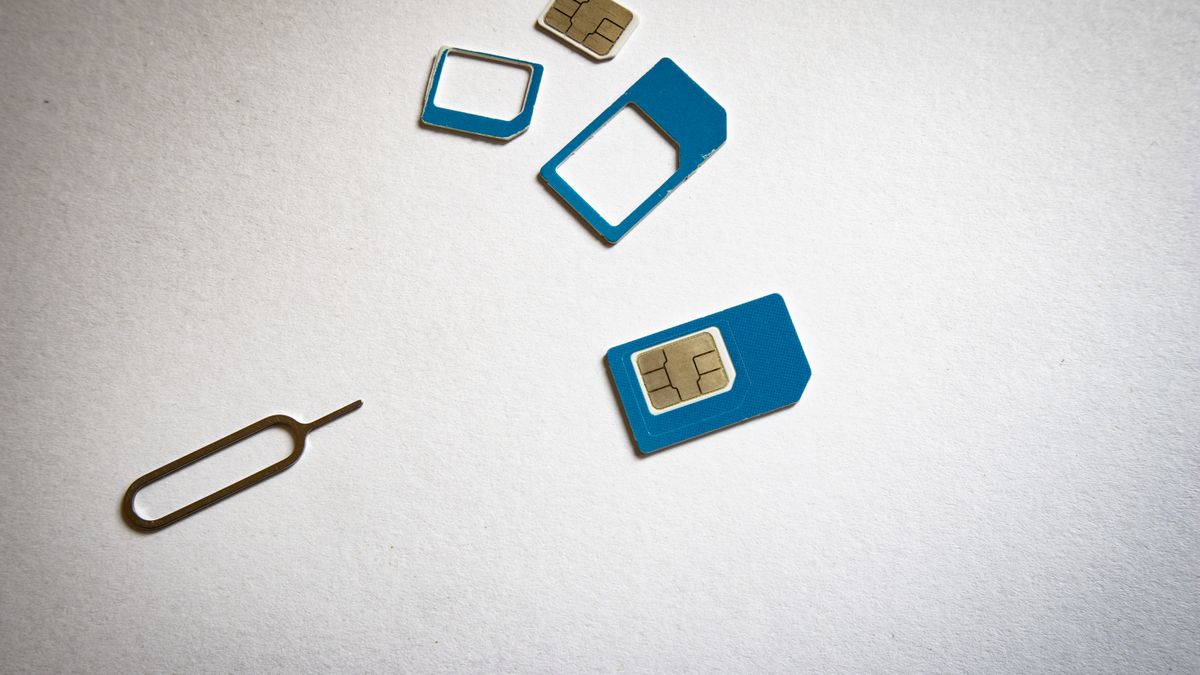


Ordering a SIM and then waiting for it is the one part of changing networks that has no good reason to exist any more. The payment clears in seconds; the plastic takes days. For anyone who needs a working number now — a new arrival, a broken phone, a switch decided on a Tuesday evening — that gap is the whole problem. A SIM only plan delivered digitally closes it: the line is issued to the handset and the number works the same day.

Arriving in the UK is the clearest case. A number is needed for a bank, a landlord, an employer and a delivery slot, and all of those come before there is a settled address for anything to be posted to. Getting the line working on the day you land removes a week of awkwardness from the first fortnight.
A replacement handset is the second case. The old card may be the wrong size, or lost with the old phone, and a digital line sidesteps both. The third is a second number on one phone — a work line kept apart from a personal one, which is far simpler when only one of them needs the physical slot. Freelancers and anyone who would rather not give a personal number to clients tend to land here, and it costs nothing extra beyond the second plan itself.
Nothing about the delivery changes the plan, which is the reassuring part. UK Plan Smart carries 5GB, listing at £5.00 and currently £3.50. National Plus carries 30GB, listing at £10.00 and currently £5.00. UK Plan Super Extra carries 75GB, listing at £15.00 and currently £7.50. UK Plan Mega Plus carries 120GB, listing at £20.00 and currently £10.00. UK Plan Unlimited lists at £25.00 and is currently £12.50.
Each discount covers the first month, with the standard price applying from the second. Every tier includes 5G, 100 international minutes and EU roaming, and the upper tiers add India to the roaming allowance. Because the plans run in thirty-day blocks, the tier picked on day one is not the tier you are stuck with — a rolling mobile plan can be moved up or down at the next renewal once a month of real usage has shown what the line actually needs.
A digital line cannot be moved between phones by swapping a piece of plastic. Changing handset means transferring the line rather than popping a card out, which is a few minutes rather than a few seconds. And it does nothing for coverage or speed — the network underneath is the same one a posted SIM would connect to. The gain is entirely in the waiting, which for most people is the part they wanted back.
If the number is needed today, this is the route. If it is not, the only thing you lose by taking a posted SIM instead is a few days, and the plan is identical at the other end. Check the handset first, start the number transfer before cancelling anything elsewhere, and pick the tier on last month's data rather than on the delivery method. Most people end up on a 30 day SIM deal in the middle of the range and adjust from there.
Handset compatibility, the activation steps and the current price on each tier are all set out by Lycamobile.
Everything else the first month throws at you is covered on OrganizeTrip.