

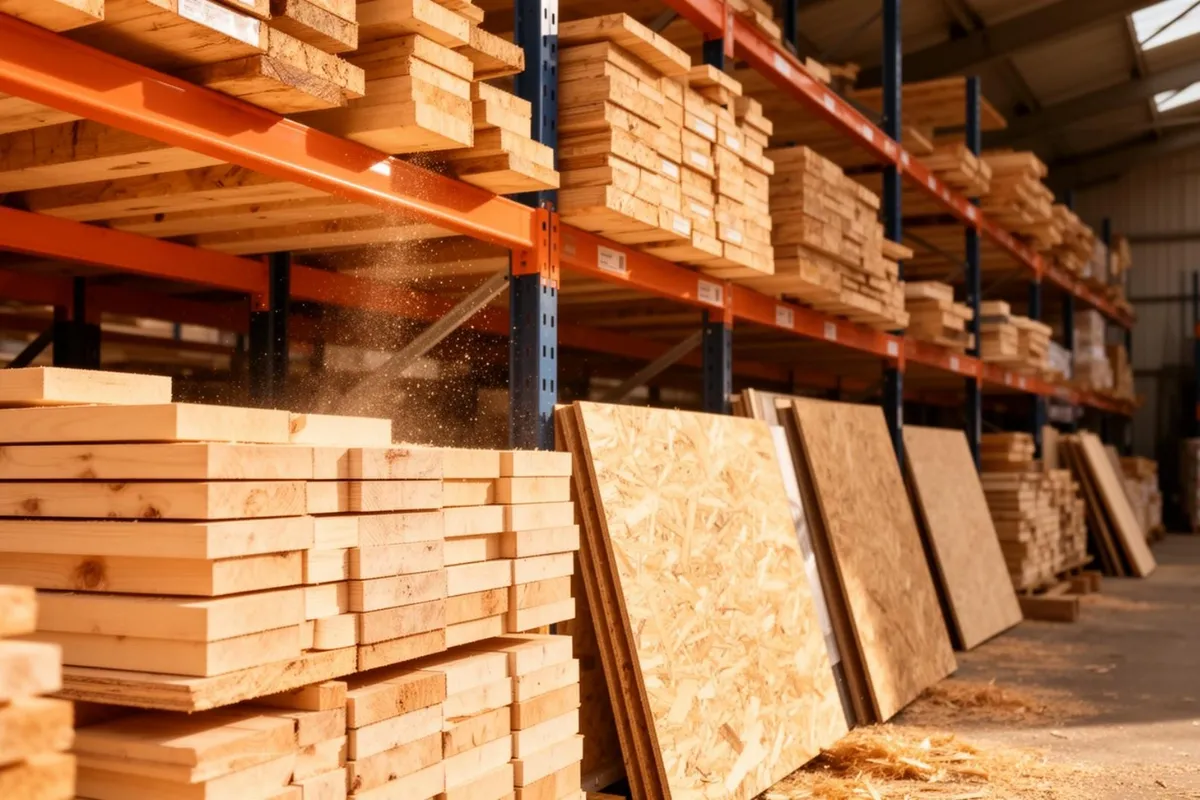
I know, have you ever been in a yard of wood and stood there and said, Where shall I begin? And you are not alone. The process of selecting the appropriate materials may be daunting. This timber and sheet materials guide is here to make it easy. The timber you need, be it to construct a garden, renovate it or simply repair it, is all about the right timber. Every decision counts, from strength to style. We should divide it up so it can be understood – no mystery terms, no puzzles.
It would be good to know, before you plunge into details, what you are dealing with. Timber is not simply wood; there are numerous types of timber, each of which is applicable in various tasks. In this timber and sheet materials guide, you will see the difference that using raw and finished timber can have on durability, appearance and cost.
Timber, in its essence, is divided into softwood and hardwood. Structural work is often done using softwood (such as pine), whereas hardwood (such as oak) is often sought after because of its strength and beauty. Being aware of this is the initial step towards selecting the best timber option for construction.
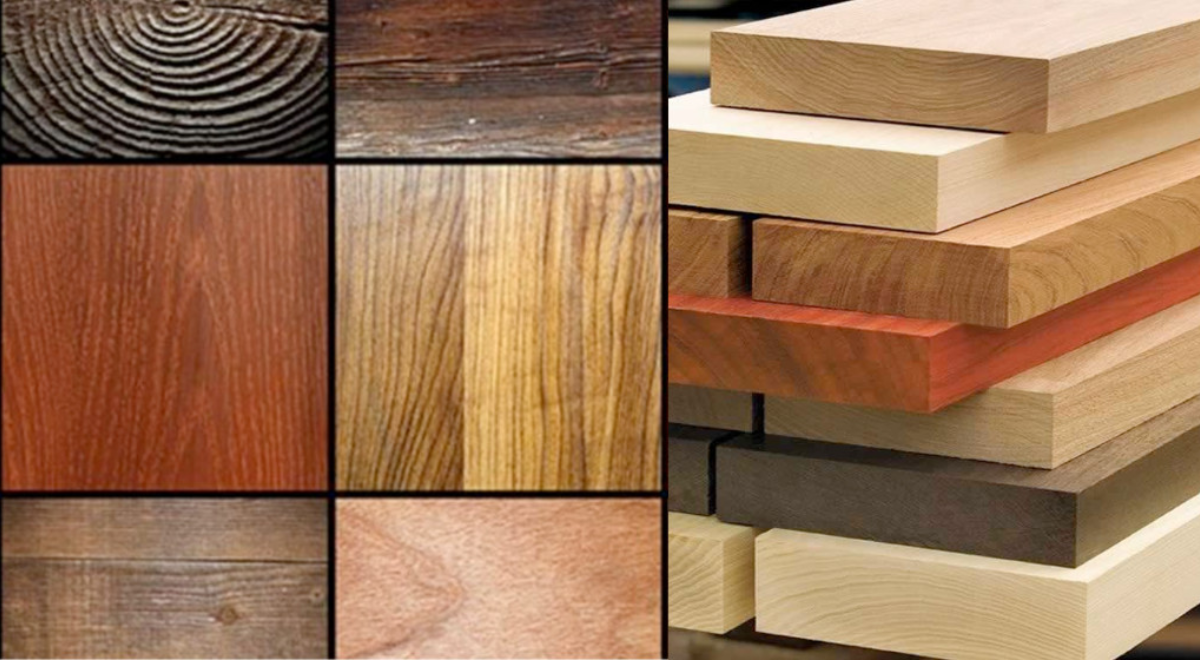
The most popular materials you are going to work with are timber and sheet materials guide will assist you in understanding when you should use each.
All these are useful in the building, and the knowledge of them can render this timber and sheet materials guide much more valuable than mere guesswork.
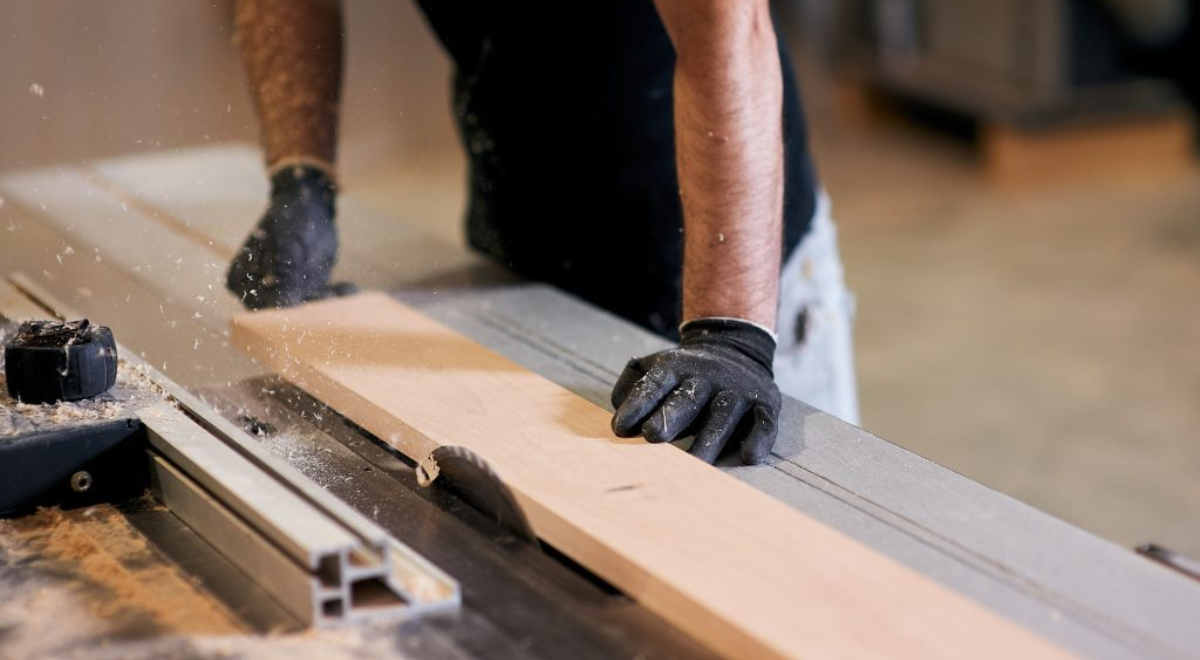
You cannot afford to cut corners when it comes to the construction of a solid. The best timber option for construction is based on strength, moisture resistance and the area of capacity.
Spruce and pine are softwoods that are commonly used due to their affordability and dependability. In the meantime, designed alternatives, such as plywood sheets, have stability and warping resistance.
This timber and sheet materials guide suggests that there is always a need to confirm the grading standards – not all timber is equal. You can buy a little less expensive one, but in the long term, it is more expensive.
Performing a little DIY? Perhaps a new shelf, feature wall, or even a little extension? When it comes to making a decision about the best timber for home improvement, it is all about balancing cost and beauty.
Planed timber is what you want here – it is clean, smooth, and to the point. Spending hours sanding is something you do not want to do.
The moral of this timber and sheet materials guide is straightforward: choose the materials that can help you to save time and do not sacrifice the finish. Since we all know that no one likes to accomplish a project twice.
Framing forms the backbone of your building – it must be stalwart and sure. To this, CLS studwork timber comes into play since it is uniform, easy to deal with and designed to be used in an internal framework.
Timber decking shines through when it comes to outdoor areas. It must be resistant to weather, pedestrian traffic and time. Here, treated softwood or hardwood would be best.
This timber and sheet materials guide focuses on durability, since what is the use of having such a beautiful deck when it is not durable?
The garden is probably the most amusing place to experiment in. Raised beds or a local seating area – either way, one of the most important things to consider when you are working on timber for garden projects that you use.
In this case, we have such materials as sleepers or fencing and trellis. Sleepers are durable and ideal in landscaping, and trellis panels enhance beauty and use.
This timber and sheet materials guide recommends the use of treated timber outdoors. It’s not that rain, sun and insects get along well – so your timber should not have nothing to protect it.
Looking to make your house as good as it sounds? Timber cladding comes to the rescue there. It brings in the warmth, texture and a naturalness that is difficult to rival.
Cladding does not only concern appearance; it also shields your building. It should be combined with good timber supplies, and you'll have a winning combination.
This is a timber and sheet materials guide, and you have to keep this in mind: good design begins with good materials. And timber, when well chosen, never goes out of vogue.
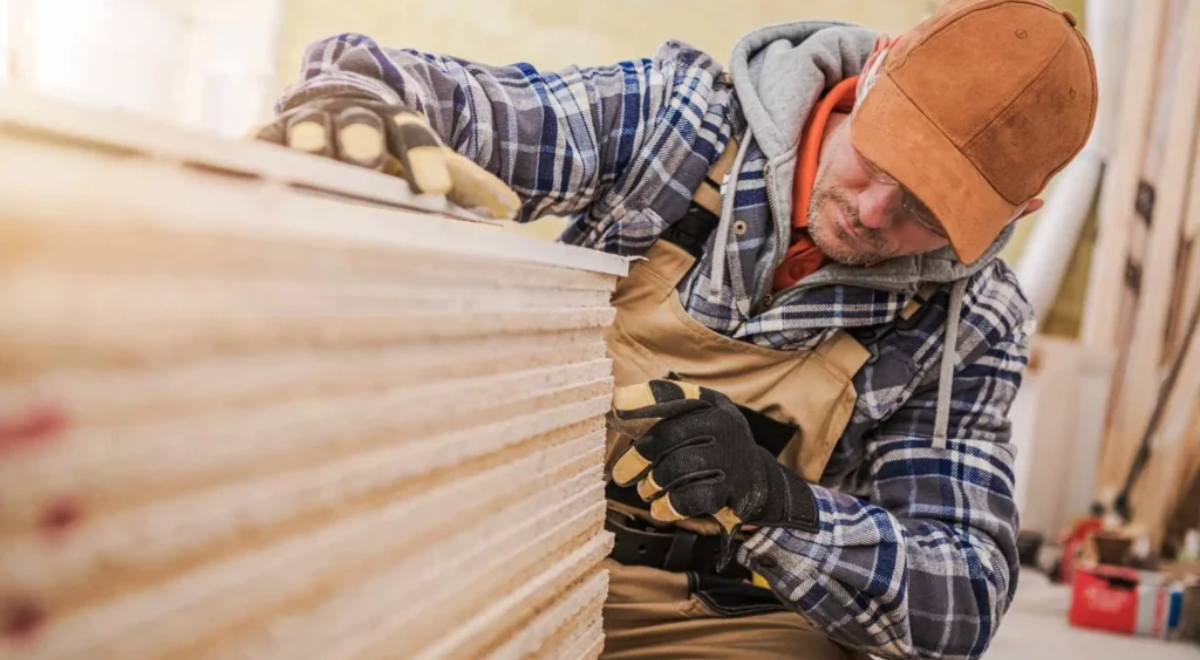
And we should not leave out sheet materials – sheet materials are the workhorse of today's construction. Plywood sheets are extremely adaptable and are used in flooring, cabinetwork, and so on.
They are powerful, sturdy, and surprisingly controllable. The reason behind this timber and sheet materials guide is that, in all honesty, they do not necessarily get the credit they deserve.
Most people have at one time or another needed them to assemble furniture or construct a partition wall.
Still unsure? It can be thought of in a shortcut like this:
This is no timber and sheet materials guide that will fill your head with stuff; it is simply a guide that will provide you with some clarity. The decision is far simpler when you know what you need.
Timber is not merely a material but the cornerstone of your project, both literally and creatively, at the end of the day. This timber and sheet materials guide has taken you through all the basics of framing to finishing, making you make smarter choices in between. You may be doing a complete construction or a weekend DIY, but by selecting the right timber, you can guarantee strength, beauty, and durability. To ensure quality timber supply and professional advice, most of the homebuilders and DIY lovers resort to Travis Perkins in order to accomplish the task correctly.
For more timber inspiration, expert building tips, and smart material choices that bring every project to life, keep exploring Organizetrip.