

Have you ever been on a construction site and found yourself gazing at piles of blocks and thought to yourself, God, aren’t they all the same? you are not alone. The fact is, it was possible to realise that the realisation of the types of 100mm concrete blocks can make or break your project. You may be thinking about building a small garden wall or a full-scale building, but the choice of the block is not as insignificant as it sounds. Every detail is important, starting with strength and insulation. We will strip it all down to a fairly sensible manner – no big words, I will.
Essentially, 100mm concrete blocks are common standard-sized building blocks that are commonly used in construction. The thickness is 100 mm, the ideal thickness of both internal and external walls.
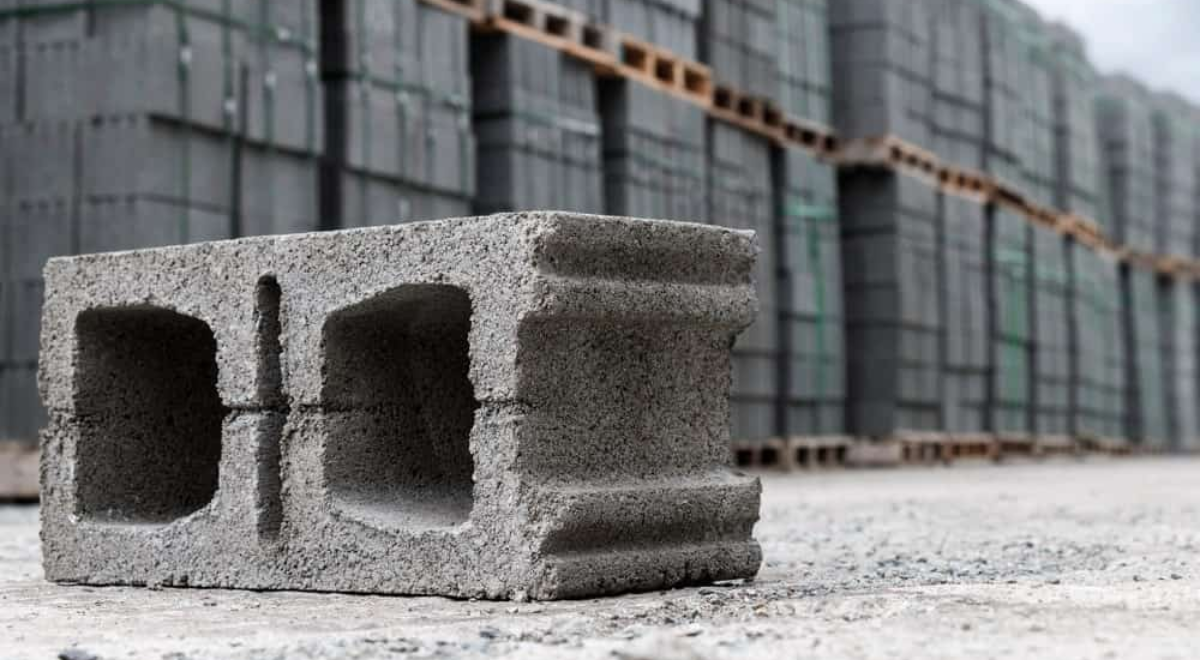
In terms of concrete blocks measurements, the average would be 440 mm (length), 215 mm (height), and 100 mm (width). The dimensions render them easy to handle and at the same time provide good structural integrity.
There are no fewer than two kinds of it now, so now we get interested. The concrete blocks, which are various types of 100mm concrete blocks , and they are applicable in various works. Choose the wrong one? That is like putting on flip-flops for a hike, not a disaster, but also certainly not the best.
1. Dense Block
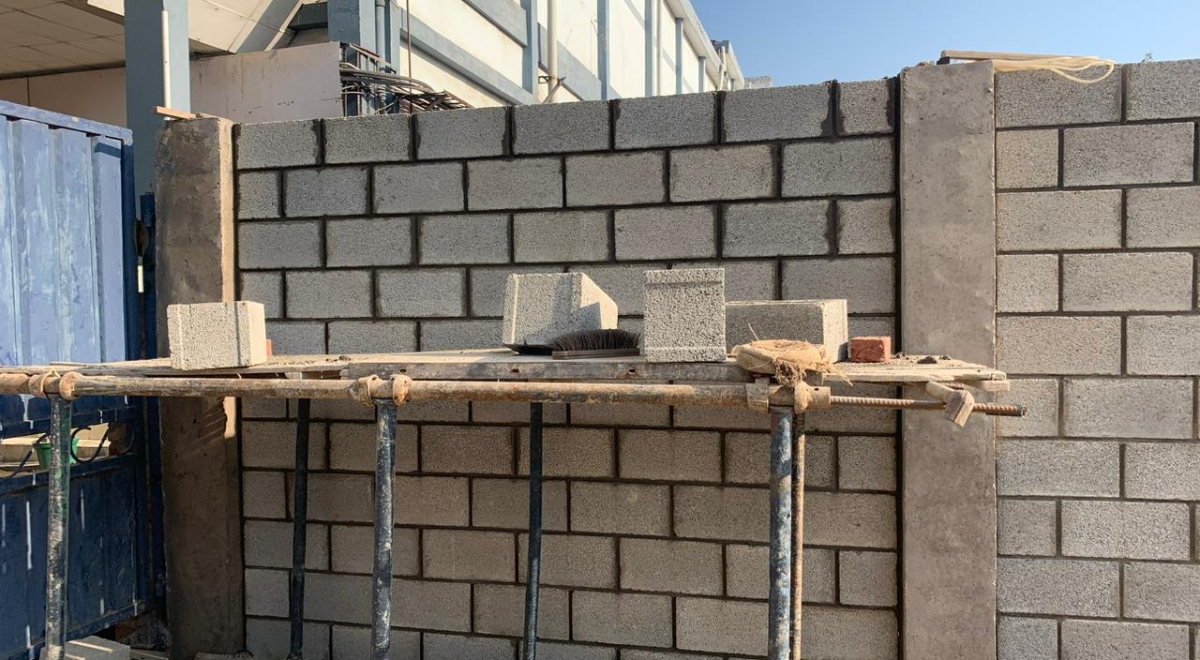
We may begin with the dense block– the solid block. They are powerful, tough and designed to support heavy loads.
When you have a 100mm blocks for walls and foundations, you may find yourself using dense block most of the time. They are rugged, dependable and do not easily get wet.
2. Lightweight Block
On the other, we have the light block – the less cumbersome relation.
These are some of the most practical types of 100mm concrete blocks where speed and insulation are important. Ideal in partition walls or where load-bearing is not a matter of concern.
3. Medium Density Block
The medium-density block is caught in between.
In case you are not quite sure of which one to use, this is usually regarded as one of the best 100mm blocks for construction. It is flexible and not too tilted to one side.
Coursing Slips (Supreme Blocks)
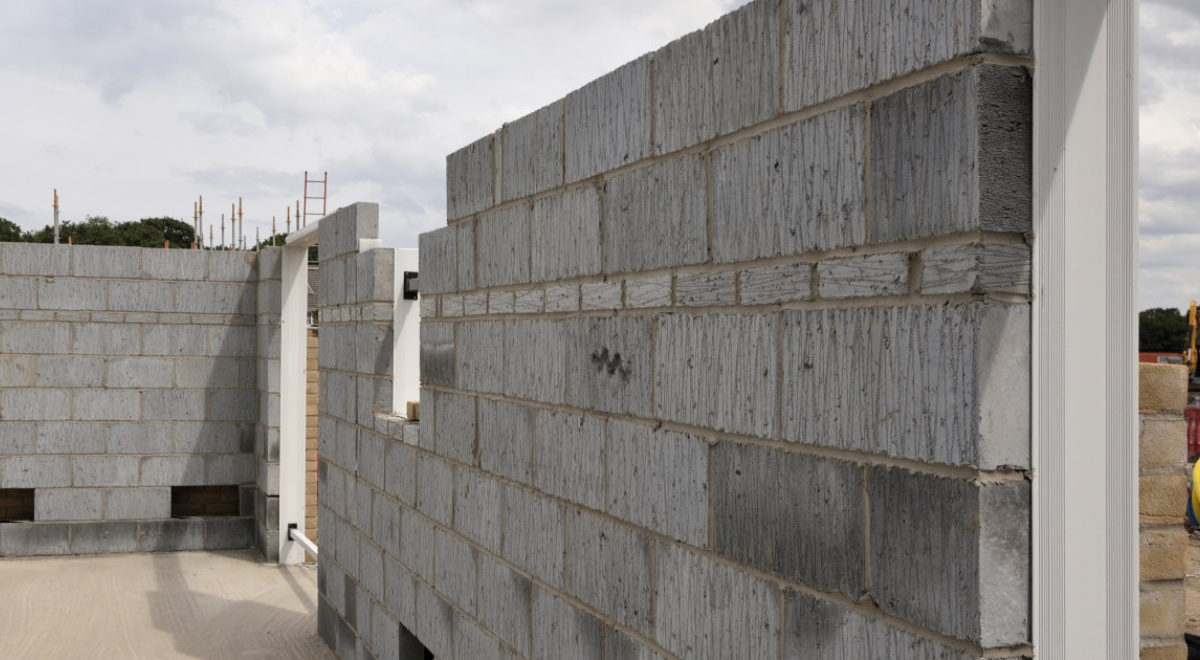
Have you ever tried to get blockwork to fit in a straight line and found out that not everything fits the way you expected? Therein lies coursing slips (Supreme Blocks).
These are slimmer units which are used to keep level courses in building block work. They aid in installing heights without destroying the structure.
It is a little thing, but believe me – it can save you much vexation.
Coursing Unit (Celcon Blocks)
Coursing units (Celcon blocks) are also similar in purpose but are precision-designed.
These may not be the show-stoppers among the numerous types of 100mm concrete blocks, but they are definitely the unsung heroes.
Real-life examples. In what places do these types of 100mm concrete blocks shine?
Walls and Partitions
The most frequent application of 100mm blocks for walls and foundations is in the building of walls – internal and external.
Simple, right?
Foundations and Structural Work
For anything that requires support of weight, you will want the more robust types of 100mm concrete blocks, particularly dense ones.
They are extensively applied in building block work where strength cannot be compromised.
Insulation and Soundproofing
Require a more relaxed environment or more regulation of the temperature? Your best bet is lightweight and medium-density blocks.
These are the best blocks of concrete in terms of comfort-orientated construction among all types of 100mm concrete blocks.
Ok, so the 100mm concrete blocks are the best, but how to choose the best 100mm concrete blocks?
This has to do with your project requirements. Ask yourself:
When it's heavy duty, go heavy. To insulate and to be comfortable, go weightless. In between, a medium density will be your ally.
The decision on the types of 100mm concrete blocks is not that difficult; it only needs some clarity.
A very basic breakdown to simplify things:
They all have their purpose and understanding of when and when not to use them. What is the difference between an average build and a great one?
Honesty is the best policy, and it is not the first time that corner-cutting in construction would go badly. The wrong types of 100mm concrete blocks may bring about such problems as inadequate insulation, structural instability, or unnecessary expenses.
And no one would like to repaint a wall. Enough is enough, thank you.
Learning concrete blocks measurements, their weight and their use will make those moments of 'I wish I knew that before' happen.
The decision between the types of 100mm concrete blocks is not merely a technical one; it is a practical one which influences the durability, comfort and cost. It could be either a dense block, a lightweight block, or a medium-density block, and each has something to offer. There are 100mm blocks to use as a wall and foundation block; finer block work with coursing slips (Supreme Blocks) and coursing units (Celcon Blocks); the correct choice is all the easier. When sourcing materials, having trusted suppliers such as Travis Perkins will help you get the best 100mm blocks to construct with without the need to guess.
For more construction insights, practical building tips, and smart material choices that make every project smoother and stronger, keep exploring Organizetrip.