

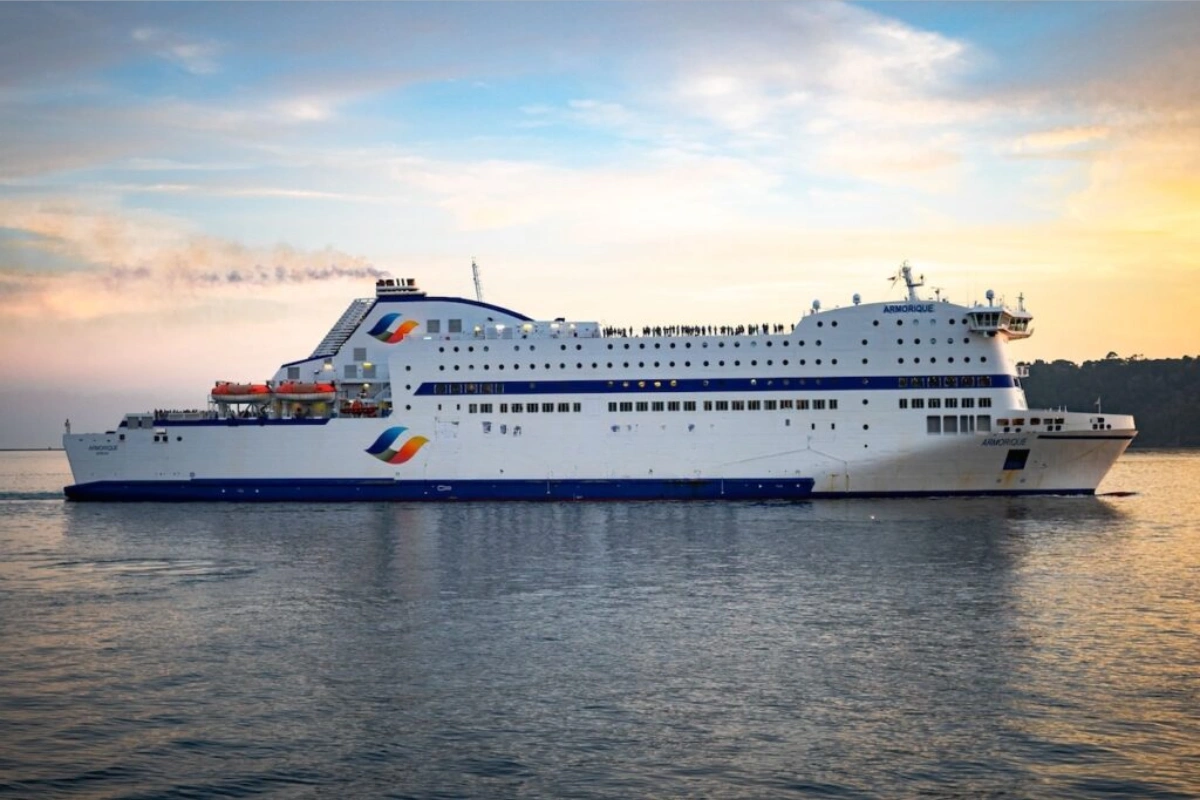
Due to many travellers, flying appears to be the logical means of getting to the mainland of Europe. Yet the UK to Europe ferry remains one of the most realistic and easy options available. It presents flexibility, room, and the ability to transport around with cars, pets, and a lot of bags without the regulations of airways.
Ferry movement does not only mean travelling across water. It makes the journey in your control. Having less baggage to transport, easy boarding, and the possibility to visit various European nations using a car or ferry for transportation opens opportunities that are not always supported by flights. This guide tells it all about UK to Europe ferry travel, pre-booking, and boarding.
Ferry travel from UK ports connects Britain to France, Spain, Ireland, and different European locations in the course of the year. Crossings are short two-hour trips or longer overnight voyages using private cabins.
Ferry terminals are in organized yet simple operations as opposed to the airports. Customers are registered, clear documents are controlled, and thereafter they wait in specific lanes before they board. The UK to Europe ferry is much more affordable than air travel, and it feels like it's far more prepared.
Ferries are the best mode of traveling for those that are making longer journeys or are out on avenue journeys.
The strength of UK to Europe ferry travel lies in its network of departure points across southern England.
The ports reach various destinations based on the travelling time and choice.
The arrival cities have direct access to European highways, and thus travelling there is easy and efficient.
Selecting a UK to Europe ferry route depends on timing, budget, and comfort preferences.
Short Crossings
The short-distance routes, including the Dover to Calais route, take two hours on average. They are suitable when travelling on short routes or on weekends.
Overnight Routes
Voyages from Portsmouth or even Plymouth to Spain or west of France may take the night. These trips would usually involve their own cabins, restaurants, and entertainment quarters.
When planning, consider:
Preparing for ferry crossings Europe starts well before boarding.
Arrival and Check-In
The travellers will have to be early, especially when they are travelling using a vehicle. Documentation checks include passports, booking confirmation, and, in certain instances, customs declarations.
Security and Vehicle Lanes
Cars are moved into loading lanes and summoned by order. There is clear signage and instructions for the crew to follow the process efficiently.
Coming with the necessary materials avoids wastage of time and facilitates the smoothing of boarding.
Current ferries are floating transportation centers as opposed to only boats. During UK to Europe ferry travel, passengers can move freely around the ship once boarding is complete.
The onboard facilities can be as follows:
To families, the additional space relative to airplanes makes the travel much more comfortable.
One of the most attractive features of a UK to Europe ferry is vehicle access. Cars, motorcycles, campervans, and bikes can be brought on board.
To travel by road in France, Spain, or even further, ferry riding will save the necessity of rentals and provide more flexibility.
The ability to travel from the UK to Europe ferry with pets with fewer restrictions as compared to airlines has led to so many travellers opting to use ferries. The following are policies, although they may differ:
Proper planning is required to fulfill documentation requirements. Checking legal journey suggestions for pets in advance of departure removes the problem at the port.
Reliable ferry travel tips can transform the experience from stressful to seamless.
Essential Tips
Preparation makes sea travel from the UK to Europe ferry easier, especially when it is high season.
The patterns of sea travel on the UK to Europe ferry are determined by weather and demand during the year.
Summer Travel
Winter Travel
People who are motion sensitive ought to think of bigger ships and the months where there is no storm when making crossing plans on the ferries.
Compared to quick-haul flights, ferries can reduce regular with-passenger emissions in the same time as transporting large groups and vehicles together. Many operators are making an investment in more gas-green ships and cleanser generation.
For tourists mindful of sustainability, a UK to Europe ferry adventure gives a balanced preference between consolation and environmental obligation.
Other passengers do not plan on the check-in time or may leave out some important documents. Other people do not pay much attention to cabin reservations in the overnight voyages, and therefore, they make their journeys uncomfortable.
Avoid these mistakes by:
Proper preparation ensures smoother ferry crossings Europe without last-minute stress.
The UK to Europe ferry suits a variety of travelers.
It finds application especially in:
To these groups, ferry transport is flexible and could be able to match other means of transport.
Traveling between the UK to Europe ferry is also reliable and easy. Ferries are convenient as well as comfortable in short Channel crossings and in longer overnight journeys. Brittany Ferries makes the journey more than a mode of transport when it is properly prepared, documented, and planned in terms of the route. It is a component of the journey itself.
In case you are interested in travel advice that is sincere, simple to follow, and of sound composition, you will find more in OrganizeTrip.