

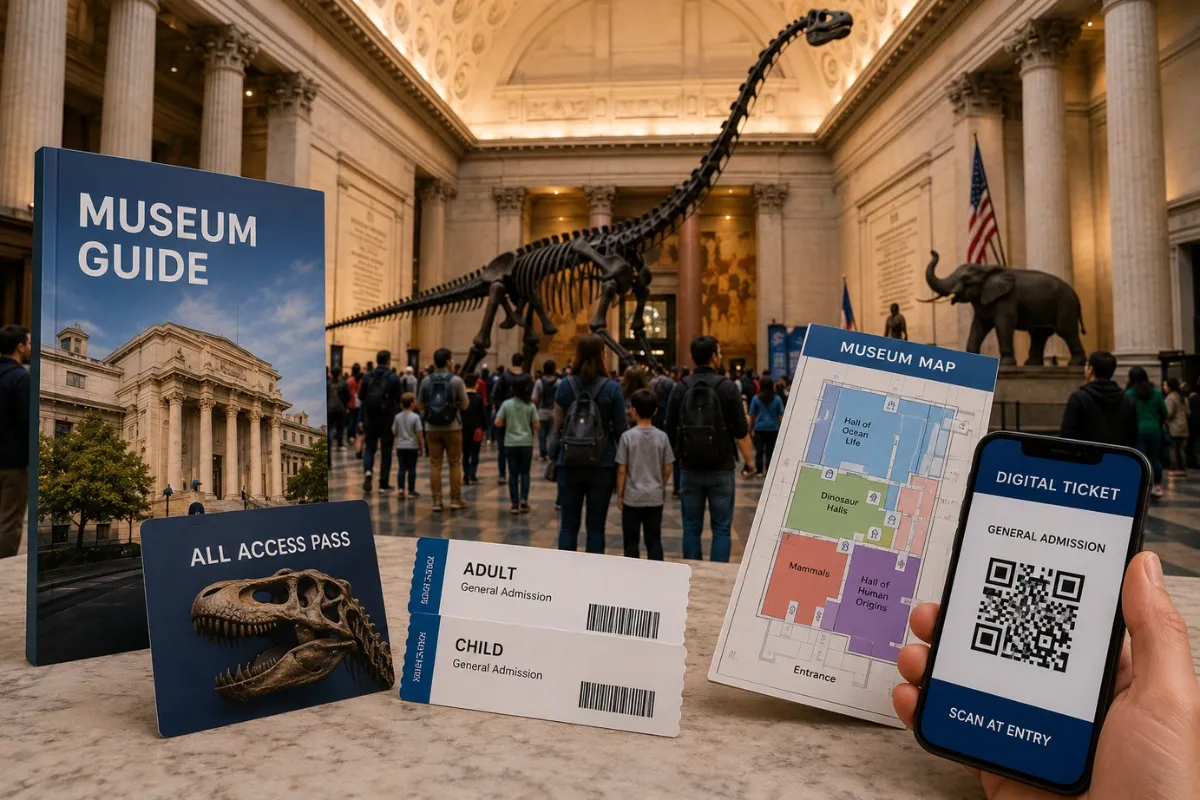
Discover what makes a visit to the American Museum of Natural History NYC
The American Museum of Natural History NYC is definitely one of New York City’s most fascinating sights, bringing together dinosaurs, the natural world, human culture, biodiversity, and space exploration into a vast array of museums adjacent to Manhattan’s Central Park. For couples, solo travelers, and all of us with a keen, almost expert curiosity about the natural world. Its amazing exhibition halls can kind of move you from prehistoric times to far-off galaxies within a single outing.
Because the museum is so huge, walking through it without a plan can feel overwhelming, especially for first-time visitors. Figuring out which displays to put first, testing the new access options, and giving yourself enough time can make everything a lot more pleasant. This guide to the American Museum of Natural History NYC contains useful details you’ll want before your day.
The American Museum of Natural History in NYC stands out for the incredible variety found under the exhibit halls. Visitors can discover the abundance of dinosaur fossils and exhibits related to mammals and marine life and learn about unique cultures and how our planet changed over millions of years Instead of specializing in single problems, the museum brings them together, giving visitors of different ages and interests plenty to discover.
Another reason why New York City's american museum of natural history fits your itinerary is that you can build experiences around your interests. Families also prioritize dinosaurs and the natural world; science fans can spend more time exploring the Earth, biodiversity gems, meteorites, or short space flights, which can crowd out highlights, while countless hours allow a much deeper and more meaningful experience.
Before going into the American Museum of Natural History NYC, it’s worth knowing how tickets work, what the opening times look like, which areas you really shouldn’t skip, whether a pass helps, and what counts as the ideal time to arrive. A tiny bit of planning can make the whole museum thing feel more like a smooth experience.
Don’t try to sprint through everything. The place is huge, so it’s better to pick the exhibitions you care about most and then set aside at least a few hours. if there are special shows or temporary exhibitions, adding some extra time becomes kind of important.
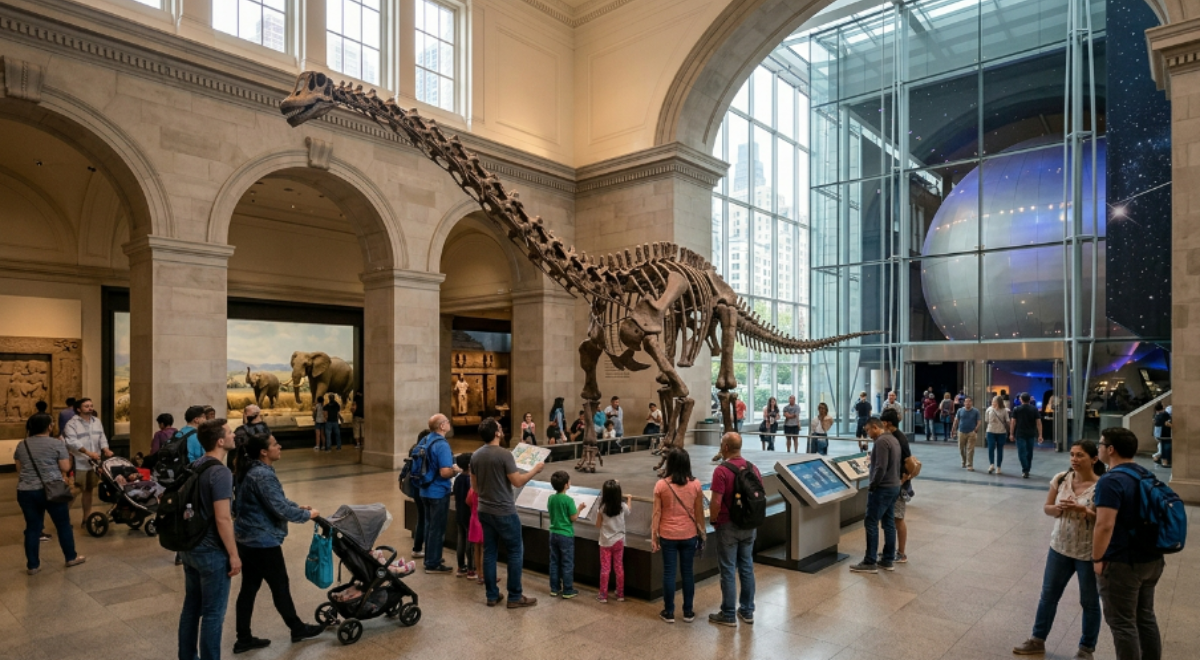
The dinosaur and fossil displays are basically some of the museum’s main attractions. You can see striking prehistoric specimens while you also get the story of how dinosaurs changed over time and how they lived, making those galleries often a hit for families and first-timers.
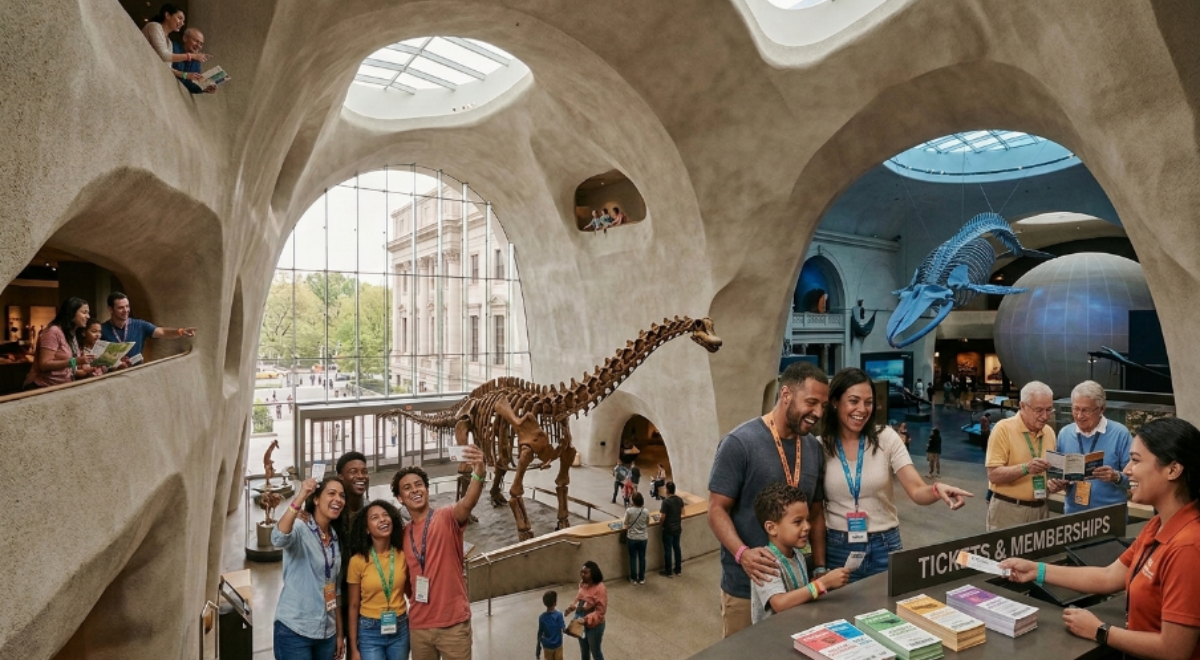
Beyond dinosaurs, there’s a lot more to displays about animals, biodiversity, earth science, gems, meteorites, plus human cultures. if you map out the galleries you want beforehand, you’ll likely waste less time deciding once you’re already inside.
Your American Museum of Natural History ticket choice can depend on which exhibitions and experiences you want. Double-check the current admission info first, because access rules, special exhibition schedules, and ticket requirements can shift. American Museum of Natural History tickets and admission.
American Museum of Natural History passes worth booking can be useful if the museum is just one stop in a bigger NYC plan. Go City currently includes the museum in the lineup of what’s covered by its New York sightseeing passes, right alongside other museums, observation decks, tours, and different experiences. still, confirm what’s included right now and whether you need any reservations before buying.
The best time to visit the American Museum of Natural History is usually the moment you can get in early and actually move through things at an easier pace. The museum runs daily from 10:00 AM to 5:30 PM, but extended hours can happen on select dates, and schedules can change.
Since the museum is located next to Central Park West, it clearly fits into a day exploring the Upper West Side and Central Park. You can spend a few hours inside before enjoying an outdoor hike, picnic, or playing scenic games.
Tourists have a choice of sorts when arranging admission to the American Museum of Natural History in NYC. You can set up museum access all at once or look for a sightseeing pass if you have many essential paid attractions on your New York itinerary. Before deciding, compare what is covered, the possible need for reservations, your available sightseeing days, and attractions you really anticipate visiting. This makes it easier to determine which options provide maximum comfort and value for your unique experience.
Creating a comprehensive NYC itinerary gives vacationers the opportunity to bypass the New York City sights while saving money on selecting and exploring Go City attractions. If you are considering a detour to the museum, confirm updated appeal entries, tickets, and reservation requirements with your tour guests before making a purchase. Preparing this information in advance can help you better prepare for your visit.
Go City can be a convenient option for vacationers who plan to experience several sights of New York at some stage of a trip. In my opinion, instead of considering every attraction, site visitors can discover ship opportunities planned around a comprehensive sightseeing itinerary. This can be especially useful for first-time visitors to the site who want to combine museums with note decks, tours, landmarks, and various popular NYC reports as they organize their planning.
 The key is to choose a vessel based on what you undoubtedly need to enjoy. Before you buy, compare your intended attractions, have a viewing session, and compare modern tickets to see if it suits your trip. If the American Museum of Natural History NYC is one of the many nature reserves you already want to visit, including it in a careful and intentional scenic detour itinerary can make planning your New York trip even easier.
Visiting the American Museum of Natural History NYC gives you a chance to wander through millions of years of natural history, scientific discovery, and human culture in one truly remarkable place. You can stand in front of huge dinosaur fossils, peek at wildlife displays, and then somehow still end up face-to-face with gems and meteorites, plus exhibitions that look at our planet and beyond. The whole thing has enough variety to keep families entertained, curious travelers curious, and even the hardcore science types satisfied too. Honestly, setting your priorities a bit beforehand is probably the simplest way to squeeze more value out of a big attraction like this.
If your New York plan already includes a bunch of major stops, try comparing separate tickets versus sightseeing pass options from Go City, just to see what fits your schedule best. Then double-check current inclusions and entry requirements before you book, so you’re not surprised when you arrive. And most of all, give yourself enough time to actually explore; don’t just race through the museum like it’s a checkbox for your itinerary, because that’s usually when people miss the good parts.
Revisit OrganizeTrip for more New York travel guides, attraction organization tips, itinerary ideas, and useful, day-to-day advice that makes each city adventure easier to arrange.