

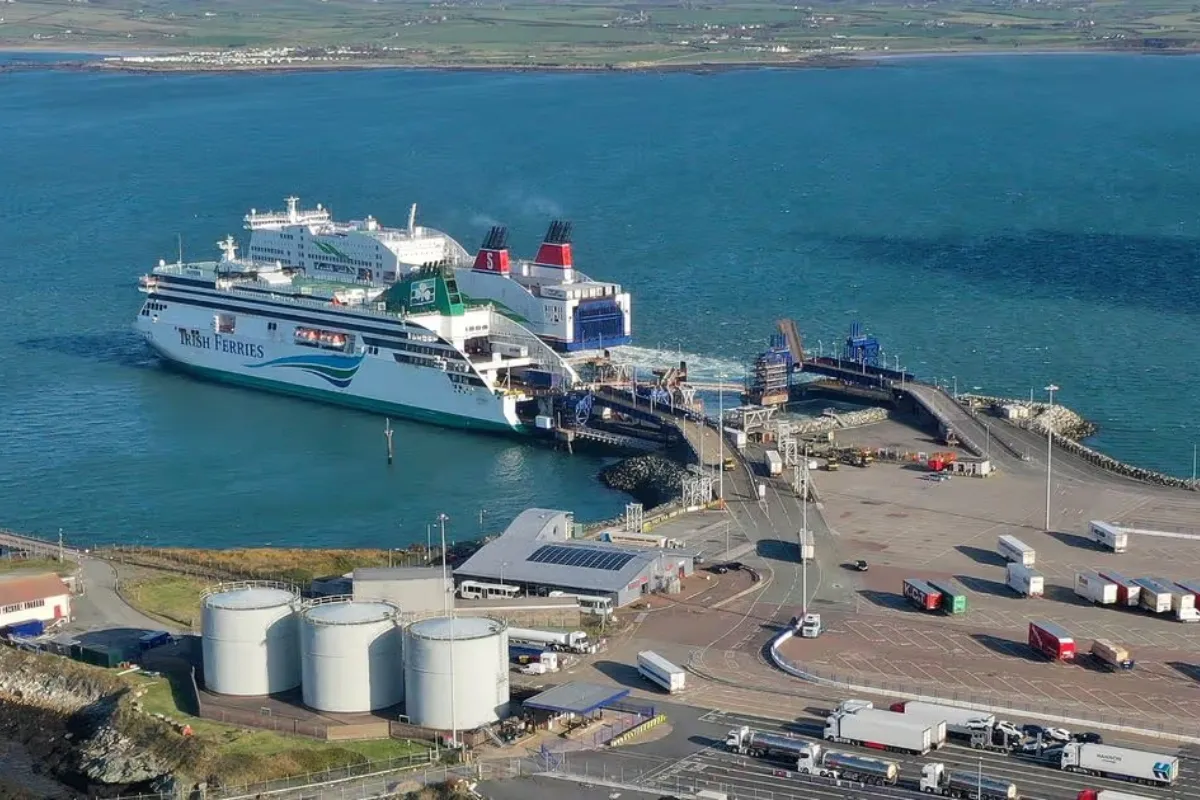
When making plans for a ferry experience between the UK and Europe, the primary choice that may be made is the proper desire of a port. With multiple coastal departure factors offering routes to France, Ireland, Spain, and past, understanding how UK ferry ports differ can notably enhance tour comfort and efficiency. This manual explores the way to pick out the most suitable UK ferry ports based on area, connectivity, facilities, and path availability.
The most important ports, practical comparisons, and centered planning tips can be addressed on this blog to allow customers to make informed choices. With expertise in how UK ferry ports operate and what each offers, European crossings can become smoother, quicker, and more exciting.
The right departure point prevents stress and saves time wastage, and the complete ferry travel is more worthwhile.
UK ferry ports function as essential gateways connecting Britain with mainland Europe and Ireland. These ports cope with passenger site visitors, freight cars, customs affairs, and boarding logistics. Well-advanced UK ferry ports provide streamlined check-in systems, clean signage, and modern traveler centers, all of which contribute to a smoother, enjoyable crossing.
A lot of people who travel do not pay much attention to the impact of port efficiency on the overall time of travel. Ports that have better road and rail networks ease the congestion and delays, whereas the systematic terminals will facilitate faster boarding. Some of the best ferry ports UK travelers use are designed to handle high seasonal demand without compromising comfort.
Pro tip: Multi-sailing ports usually have greater flexibility in case of changing travel plans.
Knowledge about port operations will facilitate the elimination of all but the most appropriate departure point of the ferry to the needs of individuals.
Several UK ferry terminals stand out due to location, facilities, and route diversity. These ports take a variety of leisure travellers and commercial traffic.
The major benefits of major ports encompass:
Popular ferry departure ports UK travelers rely on include Dover for short crossings, Portsmouth for pleasant family-friendly centers, and Hull for northern accessibility. A detailed ferry port manual UK vacationers follow frequently highlights how port preference can shorten travel time and reduce fees
The side-by-side comparison of the port assists the travellers to match the pathways with the comfort and ease.
Geography plays a major role when selecting UK ferry ports. Ports that are near the terminal destination minimize the driving distance upon arrival and have the potential to minimize fuel costs. The ports in the south tend to be better for crossing to France, and the ports in the west tend to be more accessible to Ireland and Spain.
When choosing ferry port options, consider the following:
The UK sea ports' travel planning is more effective when the port location is in line with itinerary objectives and not the popular result.
Transitional Line
Other than location, port facilities affecting the general travelling experience are also a possibility.
Modern UK ferry ports prioritize passenger comfort and efficiency. Services like safe parking, designated check-in areas, and availability of terminals minimize the stress during pre-boarding. Other ports have premium lounges and family-friendly facilities.
Features to look for include:
Following reliable UK ferry travel tips often leads travelers to ports known for organization rather than size alone.
The most necessary facilities are for travelling in season time or with families.
Peak travel periods place heavy pressure on UK ferry ports, particularly during summer holidays. When there is more capacity in ports, they can handle traffic better, whereas small terminals can result in delays.
Smart planning involves:
Choosing ferry port timing wisely ensures smoother boarding and fewer delays during busy months.
After understanding the capacity, the next determinant is the availability of routes.
Not all UK ferry ports offer the same destinations. Others focus on short cross-channel flights, and others on long distances travelling in Europe. Looking through route maps will adjust the ports to travel plans.
A reliable ferry port guide UK travelers trust often categorizes ports by:
This will ease the planning process and avoid useless rerouting.
Decisions are to be made using personal travel priorities once the routes are clear.
Selecting the right UK ferry ports improves comfort, saves time, and enhances overall travel efficiency.
Key takeaways include:
Location is more important than popularity.
Nearer ports save on road exhaustion and costs.
Take care of the assessment of facilities.
Boardings are enhanced with organized terminals.
Plan around seasonal demand
Flexible scheduling will prevent congestion at its peak.
Pro tip: The port is chosen well, and it dictates the mood of the whole European trip.
These insights will make travelling by a ferry more predictable and entertaining.
The selection of the appropriate starting point is among the most significant processes in the organization of the successful trip by ferry in Europe. By understanding how UK ferry ports differ in location, facilities, and route availability, travelers can reduce delays and improve comfort. Cyntoia is to be planned smartly, being guided by realistic travel targets so that the crossings are smooth and more valuable. All this is due to the good ferry services and properly controlled terminals that prove to be a boon during high season times. Brittany Ferries still takes an important part in connecting travellers to reliable ferry services and properly organized port experiences in Europe.
When European ferry planning is complicated, then there is simple direction and reality-based travelling knowledge, which simplifies the journey and makes it truly fun.
Find the better way, easy to plan, and be sure about the ferry travel decision by returning to OrganizeTrip to have the clear and traveller-oriented directions.