

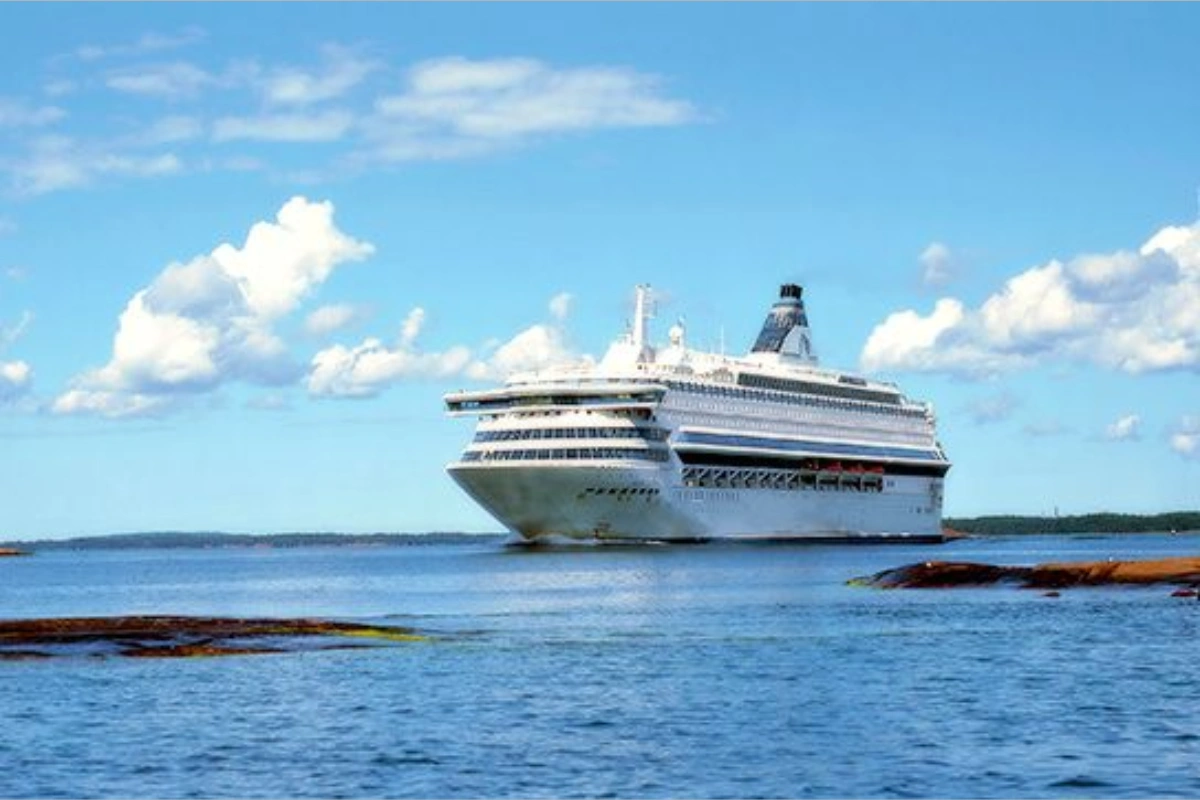
Travel across Europe does not continuously involve airports, extended security queues, or luggage limits. Europe ferry travel offers a slower, flexible, and often extra scenic manner of transport among nations. For many tourists, in particular the ones carrying cars, pets, or more bags, ferries provide a level of freedom that air trips cannot match.
This manual explains how a ferry journey works, what to anticipate on board, and the way to plan crossings, hopefully. From first-time vacationers to families and road trippers, ferry routes remain a vital part of Europe ferry travel systems.
The Cross-Channel ferry is one of the most nicely set-up sea routes in Europe. It connects the United Kingdom and mainland Europe, specifically France, and for decades it has been applied in terms of business and passenger tours.
As opposed to flights, ferries enable the passengers to stay with their vehicles, move about in the process, and have onboard facilities. The traveling time is predictable, the ports are nicely prepared, and this system runs all year long.
Many travelers prefer Europe ferry travel for the real reasons rather than novelty.
Key Advantages:
Europe ferry travel is the most convenient mode of transport for families, long-term travellers, and any other person intending to make multi-country road trips.
The UK to Europe ferry travel network connects many British ports to France, Spain, Ireland, and beyond. The routes will serve short and overnight travel.
All the routes are different in length, frequency, and services during transit. The short routes would suit short missions, whereas longer routes would be suitable for those who want comfort and accommodation overnight.
Beyond the UK, European ferry routes connect Scandinavia, Southern Europe, and island regions.
Examples include:
These routes are important in regional transport, tourism, trade, and local transportation. The number of routes is quite high all year round, with even more sails in high seasons.
The modern ferries are more like floating lodges in comparison to transport vessels. The longer routes have cabins, restaurants, lounges, and enjoyment regions.
Typical Onboard Facilities:
This comfort is one reason sea Europe ferry travel remains appealing for travelers who value a relaxed journey.
Among the greatest benefits of ferry travel is the transport of vehicles. There are cars, campervans, motorcycles, and bicycles.
Vehicle Travel Tips:
For road trips, Europe ferry travel eliminates the need for car rentals and allows seamless movement between countries.
Many ferries accommodate pets; hence, this would be a perfect choice for persons planning to move to another location or tourists travelling with pets.
Common features include:
There are certain documentation needs of each operator; this is why it is necessary to plan.
Well-planned Europe ferry travel always requires preparation.
Booking Best Practices:
The ability to book flexibility and knowledge of port procedures avoids unnecessary delays.
The schedules of ferries crossing Europe ferry travel depend on weather and demand all year round.
Cruisers who are movement sensitive could be more about bigger ships or relaxed seasons.
Ferries can cut down on total emissions, especially when carrying several passengers and motor vehicles along. A lot of operators are investing in cleaner fuels as well as energy-efficient ships.
Choosing Europe ferry travel is more about a reliable choice for travelers aware of environmental effects, mainly for regional journeys.
Modern Europe ferry travel operators place a strong emphasis on passenger protection and accessibility. Vessels are designed with clean signage, educated crew participants, and properly marked evacuation routes to ensure clean operations at all points of crossings. Elevators, available cabins, and step-loose walkways guide tourists with confined mobility, whilst onboard bulletins keep passengers informed all through the adventure.
Comfort is equally vital. Stabilization structures assist in reducing motion in tough seas, and quiet zones allow rest throughout longer sailings. Understanding those capabilities facilitates tourists' experience confidently deciding on a Europe ferry travel as a dependable alternative in preference to a compromise
Other tourists do not take into account the check-in time or think that ferries are like trains. Ports are more like airports, and thus there is documentation and security checkups.
Other mistakes are common, like:
Ferry operations are known, and this makes travelling with the ferry travel guide a smoother process.
Ferries are also particularly appropriate when used on:
For these groups, Europe ferry travel offers comfort and flexibility that other transport methods often lack.
One of the most reliable and flexible modes of transport in Europe is ferry transport. It has a combination of comfort, convenience, and accessibility and allows the travellers to move at a more natural pace. Whether it is a quick, short crossing or a long and overnight trip, ferries keep linking nations in a manner that appears not only convenient but fulfilling as well. Brittany Ferries provides a reliable alternative to air travel for people who prioritize space, calmness, and control.
In case you like honest, easy-to-follow travel advice, you will get a lot of it at OrganizeTrip.