

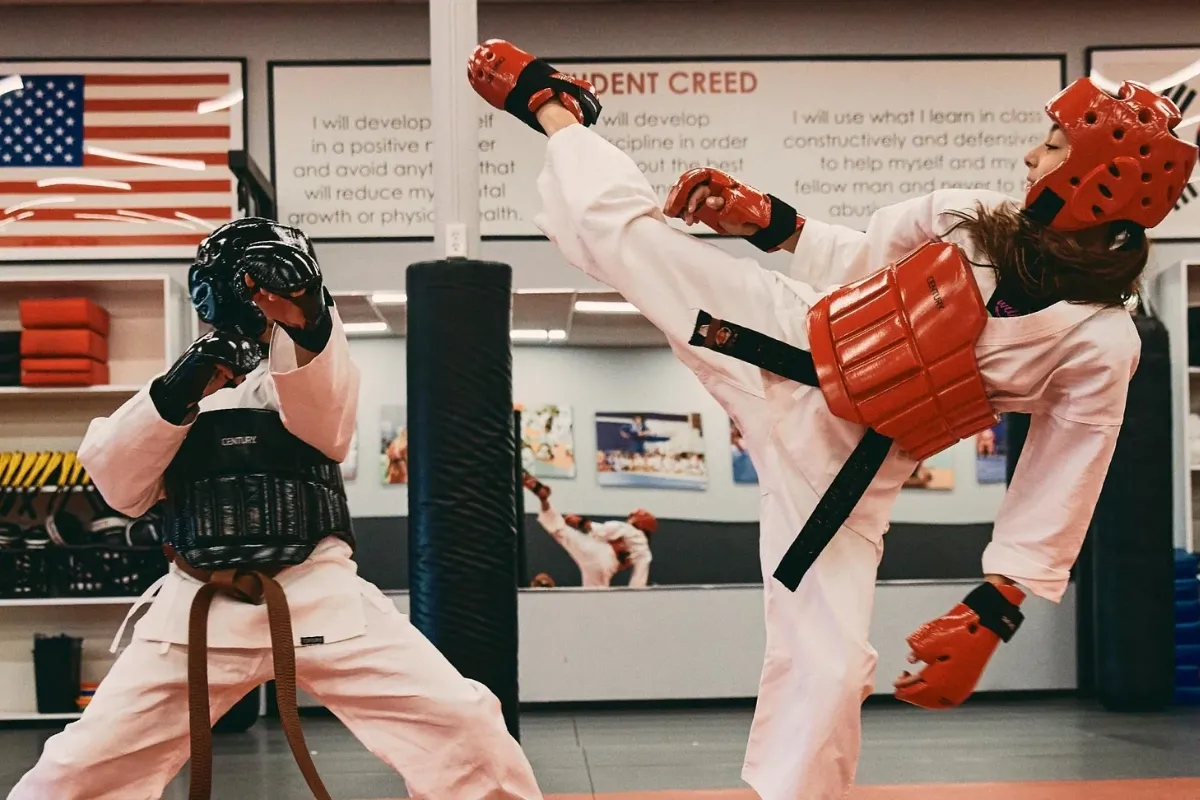
Entering into the sphere of combat sports may be thrilling – and, frankly, it may be somewhat overwhelming at the beginning. You can feel the difference between the right martial arts gear and the wrong martial arts equipment, whether you are going in the gym to strike your first blow or you are gradually mastering your ground game on the mats. It is not only about having the right look, and being part of it is about keeping your body safe and training with the confidence you have. The good news? There is no need to purchase all at the same time. Assembling your kit may be easy, convenient, and even entertaining with its intelligent, step-by-step process and a little help.
You already know, however, having ever trained, without the proper martial arts equipment, it is not worth the risk. Proper equipment will not just keep your body safe; it will also make you feel more confident and able to concentrate on your technique rather than being scared of an injury. It is your silent training partner.
A good martial arts gear guide normally begins with the fundamentals: protection, comfort, and longevity. Novices have a tendency to spend money on glitzy stuff, whereas expert warriors understand that good martial arts equipment is what keeps you in the gym week after week.
Let us divide this into what you are going to use in practice:
This is the central martial arts equipment setup cover, which is applicable in the majority of training scenarios, whether you are punching, grappling or in mixed training.
This is what most beginners forget: effective martial arts training gear is not all about appearing manly but about being able to train longer and recuperate better. When your equipment fits, you move. You learn well when you move better. Simple maths.
The contemporary martial arts equipment is made of breathable material, padding and lightweight fabric. It is less distraction and more attention to technique. And, frankly, it is difficult to consult with good martial arts equipment after training with it.
The martial arts accessories are some of the most useful items; these are things you do not consider until the time you require them.
During the long sessions, a pair of durable water bottles ensures that hydration is taken everywhere. You see, it is quite a mid-round thirst. In the meantime, sports bags for martial art are durable and are used to keep you organised. Nothing is worse than having to search a chaotic gym bag five minutes before going to school.
The inclusion of these supplementary items in your martial arts equipment system eases your training programme, as well as makes it a lot less stressful.
Admittedly, combat sports equipment is likely to become costly within a short period of time. However, there is one thing: you do not have to possess the most flaunting brand. You must have quality martial arts equipment that fits and will last.
During shopping, look at:
The martial arts equipment is expected to be comfortable immediately and not something that you have to break in over a period of time. When it pinches, slips or when it is bulky, continue searching.
When shopping around and you are still a beginner, you need not be under any stress to purchase all the martial arts equipment at once. The majority of the fighters assemble their collection over time, and that is absolutely normal.
Training on day one: begin with the real necessities, gloves, bandages and a groin guard so that you can train with them. When your training sessions are more vigorous and you improve, consider wearing such protective measures as head protection, arm and elbow pads and ankle protection.
Such an incremental strategy makes it pocket-friendly and feasible. As time passes, your own personal martial arts equipment setup will, by default, develop to your style, discipline, goals, and training frequency.
The correct martial arts equipment at the end of the day is not about having the appearance of a pro but is about training safely, regularly and with confidence. When your equipment helps you move and protect your body, you no longer have to worry about wounds since the real thing is to develop your skills, perfect your technique, and simply enjoy the process rather than be preoccupied with the fact that you might get hurt.
The only way to make progress in martial arts is to turn up again and again, and the proper equipment enables you to do so. Not sure about updating your training experience and spending on the equipment you can trust? A good way to start the search would be to look at reliable equipment offered by Decathlon.
For more sports inspiration, beginner-friendly gear tips, and training advice, explore more guides on Organizetrip.