

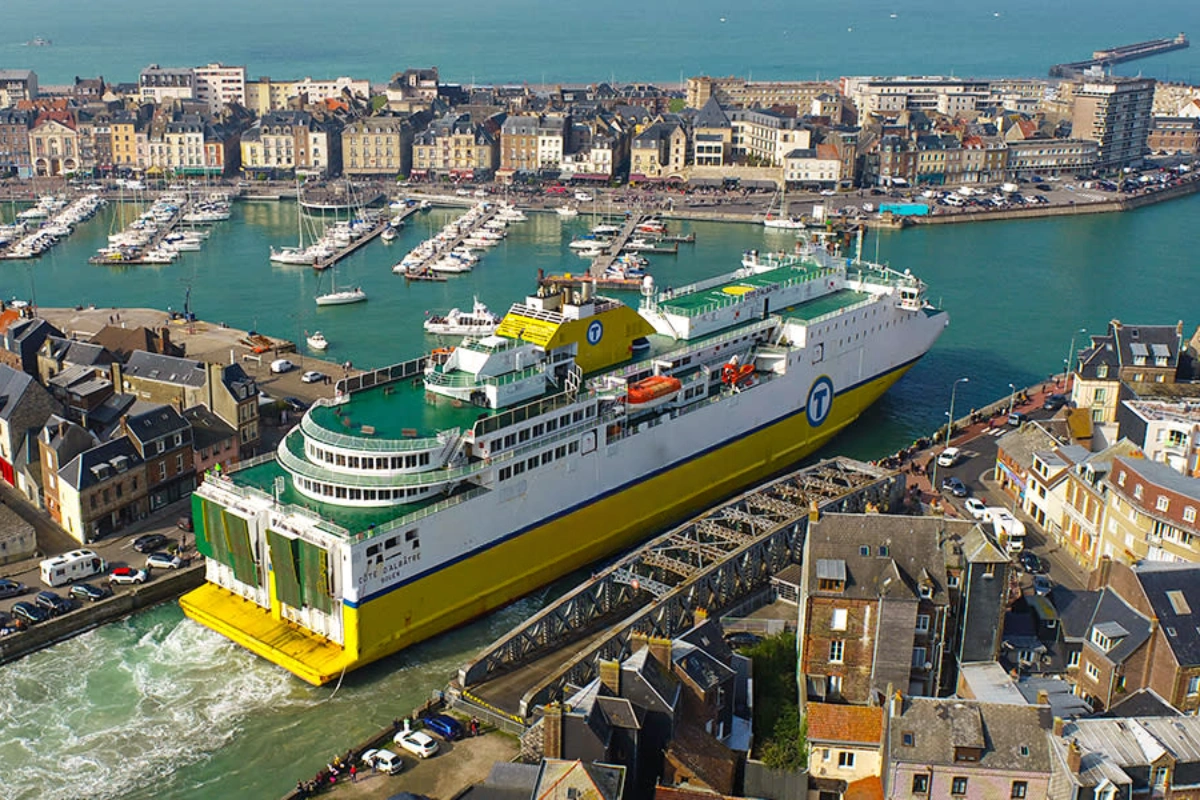
Traveling by a UK to France ferry is not just about crossing borders. It is the selection to make a travel plan that is easy, adaptable, and practical from the very beginning. Compared to any air tour, a ferry adventure gets rid of most of the stress, like strict luggage regulations, long security queues, and rushed boarding techniques. Instead, passengers discover it is much less complex to travel between the UK and mainland Europe.
For families, couples, and road journey lovers, UK to France ferry travel provides an area to loosen up, freedom to move, and the ability to bring a vehicle without any stress. Whether making plans for a quick getaway or an extended European pleasure, ferry travel France allows the travelers to feel like part of the vacation. This France ferry guide explores important France ferry routes, onboard reviews, seasonal issues, and the key advantages of selecting a cross-Channel ferry.
"UK to France ferry" refers to ferry routes jogging at some degree inside the English Channel, connecting southern England with northern and western France. These crossings range in period, frequency, and onboard centers, making it easy to pick an opportunity primarily based totally on adventure style and vacation spot.
Some routes are recognized for speed and commonplace departures, even as others emphasize comfort and single-day tours. This flexibility is one of the simplest reasons for vacationers to persevere to determine on a UK to France ferry, particularly additionally when visiting with family.
Several established France ferry routes connect the UK with different regions of France. All of the routes cater to a particular route requirement and destination choice.
The crossing between the Port of Dover and the Port of Calais is the busiest and most well-known UK to France ferry direction. With a crossing time of around 90 mins, it is ideal for tourists trying to find area and comfort
This course is mainly famous for brief journeys, prepared tours, and onward journeys into northern France, Belgium, and the Netherlands. Frequent sailings at a few levels within the day make it smooth to discover a departure time that suits maximum schedules.
The Portsmouth International Port of Caen route is perfect in the direction a traveller wants to head to Normandy and central France. This transgression may involve cabin-enabled nightly travels, enabling travellers to have a sleep during their journey.
It is popular among the families and drivers who do not want to spend much time travelling in the daytime and arriving home tired.
The crossing between the Port of Dover and the Port of Calais is the busiest and most famous UK to France ferry direction. With a crossing time of around 90 minutes, it's far more proper for travelers in search of tempo and comfort.
This course is in particular popular for short journeys, business trips, and onward trips into northern France, Belgium, and the Netherlands. Frequent sailings at some stage in the day make it easy to find out a departure time that suits maximum schedules.
One of the biggest advantages of choosing a UK to France ferry is the onboard experience. Ferries are meant to ensure comfort and freedom and not restraint. During the crossing, passengers are free to roam, have sea views, and utilize different amenities.
Seating regions are spacious, with alternatives for quiet lounges or your family-friendly zones. Many ferries offer consuming locations, cafés, and refreshment areas, allowing vacationers to revel in meals without rushing. On longer crossings, non-public cabins offer a quiet area to loosen up, shower, and sleep.
For those journeying with pets, Ferry to France travel often offers pet care like home, making it much less complicated to adventure without relying on kennels or airways. The capability to carry generous luggage and personal belongings without extra costs adds additional convenience to the UK to France ferry experience.
A major advantage of a UK to France ferry is the ability to take a car, motorcycle, or campervan. The direct approach to the ferry and the continuation in France mean that there is no need to rent a car, and one has every chance to plan the travels.
The latter feature is particularly appreciated by people who travel to the rural areas, coastal resorts, or several destinations that cannot be easily reached via publicly accessible vehicles.
Ferry travels are more relaxed and slow. Passengers will now not have to spend several hours in one function; they will be able to circulate without difficulty, get out of doors and take a breath of sparkling air, and feature the wide-open views of the sea. Such an informal ecosystem enables the tourist to get rid of stress on the ride and preconditions a positive mood all through the rest of the ride.
When visiting as a family or organization, ferry travel France can be more powerful than flying. The flight costs, baggage charges, car condo, or transfers to the airport could make it more high-priced than just one ferry ticket together with a vehicle.
Select suitable France ferry routes
Select the ports as much as possible to avoid additional unnecessary driving.
Book sailings early
Making bookings early enhances the possibility of getting the desired time, cabins, and vehicle space.
Organize documents before arrival
Prepared paperwork speeds up check-in and boarding procedures.
Plan onward travel in France
Mapping routes and stops in advance helps make the most of the UK to France ferry.
A UK to France ferry gives a journey experience constructed on comfort, flexibility, and sensible advantages. With a huge variety of France ferry routes, spacious onboard centers, and the freedom to travel with a car, ferry journeys remain a depended-on choice for crossing the Channel. Brittany Ferries is a popular vacation spot amongst the travelers who are making plans for a calming, certain, and gratifying trip to France
You can find more at OrganizeTrip in case you like travel information that is real and easy to read.